
Starbase, from the air.
Where Starship is built, stacked, launched and caught. Tap a number, or play the tour.
Nine stops, one road.
- 01 · At a glance
Starbase, at the tip of Texas
This is where Starship is built, stacked, launched and caught. The factory sits inland, the launch site sits at the beach, and one road connects them.
Watch: 456 launches a year from one site? ↗Tap for nerd detail
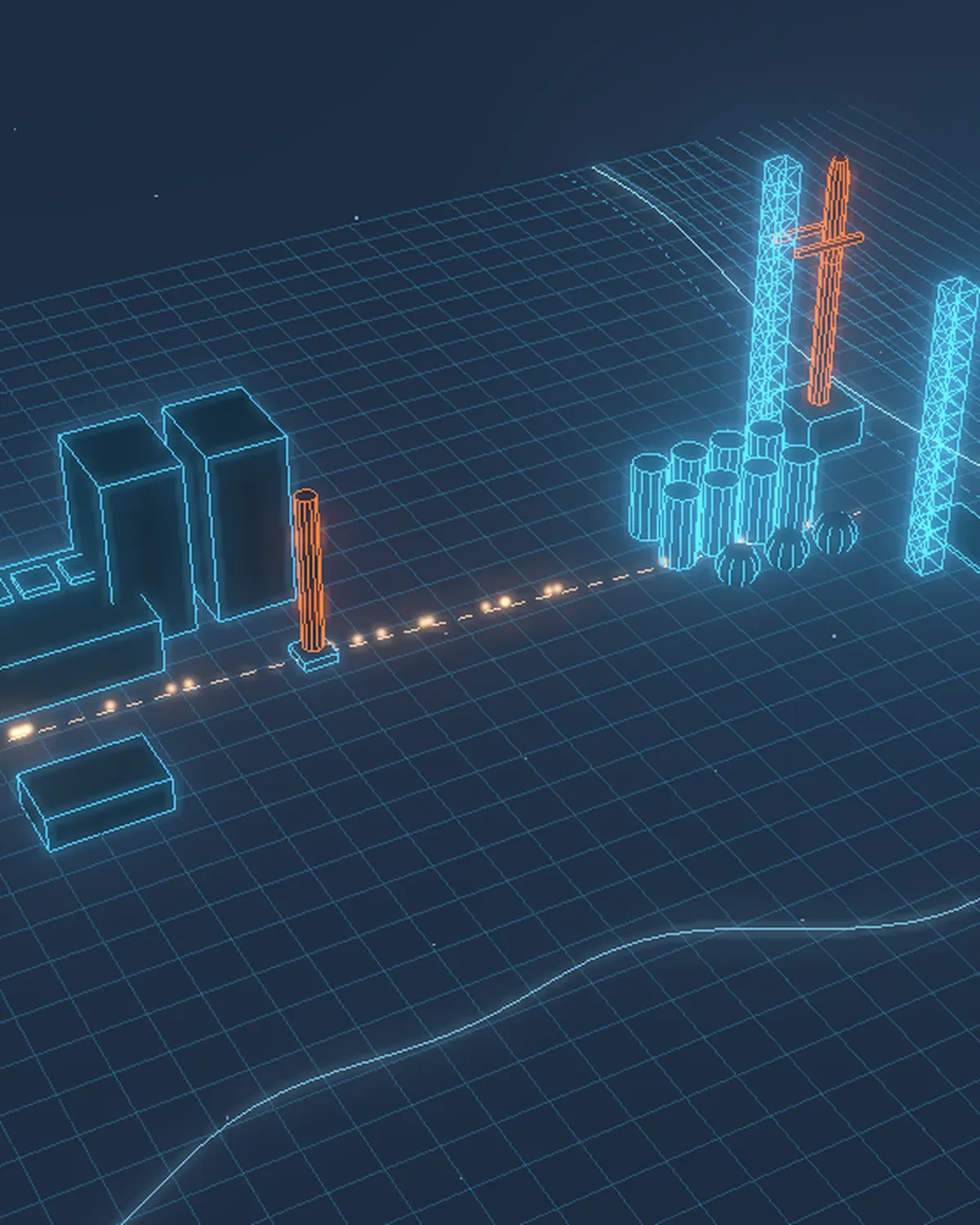
SpaceX describes Starbase as its headquarters and says it has invested more than $15 billion in the area. The site has two of the tallest launch towers in the world. This map is a schematic: buildings are placed in the right order along the road, but distances and sizes are not to scale.
- 02 · Build
The Starfactory
The long building is where the pieces of Starship are made: steel rings, domes, flaps and heat shield tiles.
Tap for nerd detail
SpaceX calls the Starfactory a manufacturing hub sized to be capable of building up to 1,000 Starships per year. Steel is rolled into rings, the rings are welded into barrel sections, and the sections move on to the bays for stacking.
- 03 · Stack
The Mega Bays
The tall buildings are the Mega Bays. Inside, the rings are stacked into a full booster or ship, out of the wind and salt air.
Tap for nerd detail
Stacking indoors means work can carry on in bad weather. A finished vehicle leaves the bay on a self-propelled transporter and rolls a few miles down Highway 4 to the launch site, usually overnight. The orange cylinder moving on the road in this view is one of those rollouts.
- 04 · Next
The Gigabay, under construction
The biggest box on the map is the next building: a Gigabay, taller than the Mega Bays, built to stack and service even more vehicles.
Tap for nerd detail
A Texas state construction filing (TDLR) lists the Starbase Gigabay at roughly 700,000 square feet and about $250 million, with a target completion of December 31, 2026. Height and position on this map are approximate.
- 05 · Fuel
The tank farm
Those tanks hold the rocket's fuel: super-cold liquid methane and liquid oxygen. A full Starship stack holds about 5,250 tonnes of it.
Watch: How much fuel does it take to fill Starship? ↗Tap for nerd detail
SpaceX says the booster holds about 3,650 tonnes of propellant and the ship about 1,600. For Pad 2, the propellant farm was upgraded with more storage and significantly more pumps, so the vehicle fills much faster. Federal permit documents for the site describe on-site methane production and natural gas liquefaction. Tank count and placement here are schematic.
- 06 · Launch
Pad 2: launch and catch
The newer tower. It launches the rocket, and its two arms, the chopsticks, catch it when it comes home.
Watch: Why did SpaceX catch the ship but not the booster? ↗Tap for nerd detail
Flight 12 was the first launch from Pad 2. SpaceX says its chopsticks are shorter, so they move faster, and their main actuators are now electromechanical instead of hydraulic. The launch mount was redesigned, with a new flame diverter, a hardened bunker for valves, and separate methane and oxygen connections for the booster. The ship catch on Flight 15 happened here.
- 07 · Rebuild
Pad 1: the original tower
The first Starship tower. It flew the early test flights and is being rebuilt in the newer style, so Starbase will have two pads that can launch and catch.
Watch: Why does Starbase need two catch pads? ↗Tap for nerd detail
Starship's early flights launched from Pad 1. Reporting from NASASpaceflight describes the tower and mount being rebuilt to match the Pad 2 design. Two working pads means one can launch while the other is being turned around.
- 08 · Coast
The beach next door
The launch site sits right beside a public beach on the Gulf of Mexico. Keeping it clean is part of the job.
Tap for nerd detail
SpaceX says its team runs weekly beach cleanups and has removed more than 50 tons of trash from the local coastline. The road and beach close to the public during launches and some tests.
- 09 · People
The people who build it
None of this happens without the crew: welders, technicians, engineers and pad teams, many of them from the Rio Grande Valley.
Tap for nerd detail
SpaceX says Starbase supports nearly 5,000 jobs. The moving dots on the highway stand in for the shift crews driving between the factory and the pads, around the clock. When you watch a launch or a catch, you are watching their work.
Schematic map, not to scale: buildings are placed in the right order along Highway 4, but distances, sizes and the number of tanks are simplified. The towers and the rocket are drawn at roughly the same scale as each other. Sources: SpaceX Starbase updates and Introducing Starship V3; TDLR filing for the Gigabay; NASASpaceflight for rollout and Pad 1 rebuild.