
A whole Starship flight, liftoff to catch.
22 and a half hours of spaceflight in about a minute. Hit play or drag the timeline. Tap any step for the nerd detail.
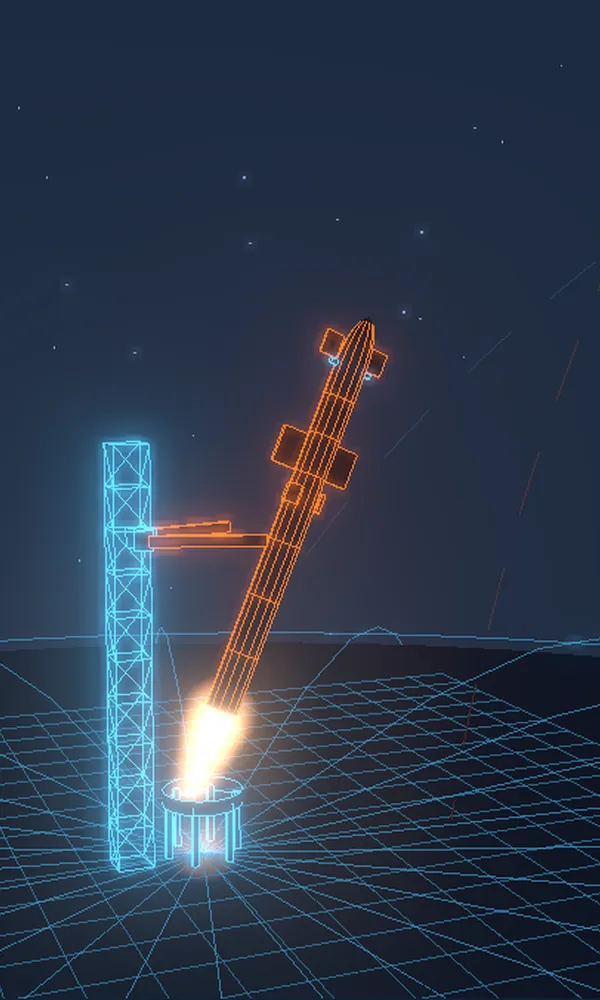
Seven steps. One remarkable day.
- 01 · T+0
Liftoff
All 33 Raptor engines on the Super Heavy booster light up, and the whole stack climbs off the tower at Starbase. The booster alone is 236 feet tall. The ship rides on top.
Tap for nerd detail
On Flight 15 that was Booster 22 with Ship 42 on top. The ship first flies a 'passively safe' suborbital path, the same profile as Starship's first orbital mission: if anything goes wrong early, it comes down over a cleared area of the Indian Ocean.
- 02 · ~T+2–3 min
Hot staging
The booster throttles down to just its three center engines, and the ship lights its own six engines while it's still sitting on top. It literally pushes itself off a booster that's still firing.
Tap for nerd detail
Lighting the upper stage before separating means there's no gap where nobody is pushing. It's hard on the hardware: on the V3 booster, SpaceX lowered the grid fins to keep them out of the heat from the ship's engines during hot staging.
- 03 · ~T+3–7 min
Boostback (and the booster heads home)
The booster flips around and fires its engines again to fly back toward home. The plan is a catch by the tower about six and a half minutes after launch.
Tap for nerd detail
On Flight 15, SpaceX says the boostback burn ended early due to low fuel mass. The booster's flight computer triggered an automatic abort and diverted itself to an offshore splashdown in the Gulf, with a landing burn on the way down. That's where the green flame showed up. Root cause: still under investigation.
- 04 · First hour
To orbit, and drop off the Starlinks
Flight controllers check the ship and call 'go' or 'no-go' for orbit. If it's go, one engine fires to speed it up into orbit. Then it opens up and drops off Starlink satellites.
Tap for nerd detail
Three of Flight 15's Starlink V3 satellites were modified to take pictures of Starship's heat shield in orbit. SpaceX had tested the trick on earlier flights. It was one of several data sources used to decide whether the ship was ready to come home.
- 05 · ~21 hours
The long wait in orbit
Now it waits. About 21 more hours, around 14 laps of the planet, until its orbit lines up with Starbase again. Earth keeps turning underneath it the whole time.
Tap for nerd detail
SpaceX planned an orbit of about 275 km. During the coast, controllers run deliberately conservative checks: engine health, power and comms, flight computers and navigation, tank structure and pressure, and attitude control. If anything looks off, there are precleared splashdown spots near Hawaii and off the coast of Chile.
- 06 · T+21:35 → 22:10
Deorbit and reentry
One engine fires to slow it down just enough. It hits the air over the Pacific, thousands of kilometers west of Starbase, belly first. The heat shield takes the heat and four flaps steer it home.
Tap for nerd detail
SpaceX's planned timeline: deorbit burn at T+21:35:57, entry at T+22:10:46. Coming in from the west, it makes small turns to fly over sparsely populated parts of northern Mexico and southern Texas, passes north of South Padre Island, then banks over the Gulf for its final turn south toward Starbase. Folks in Cameron County may hear sonic booms.
- 07 · T+22:32
The catch
Over Starbase it's falling belly first. Right before the tower, it lights three engines, flips upright, slows almost to a hover, and the arms close under it. Caught.
Tap for nerd detail
SpaceX's sequence: three sea-level Raptors light, the ship flips vertical and stows its flaps, drops to two engines to slide between the arms, then one engine for a near hover. The arms close on two catch fittings just below the forward flaps, and the last engine shuts down on contact. Planned for T+22:32:34. On Nov 14, 2026, it worked: the first Starship ever caught coming home from orbit.
Schematic, not to scale: the rocket is drawn huge so you can see it from orbit, and the clock is squeezed. Times come from SpaceX's published Flight 15 timeline; hot staging and boostback times are approximate. Sources: SpaceX, "Returning Starship to the Launch Site" and Flight 15 updates.